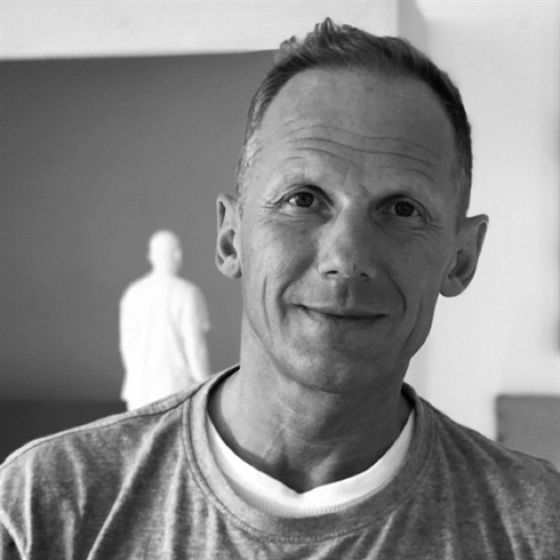
W.ONESPACE is honored to present “Emergent Third”, a new solo exhibition by Italian artist Robert Bosisio. This exhibition marks the debut of the artist’s latest “Combination” series, presented alongside his most representative “Interiors” and “Portraits” works. These works trace his sustained exploration in recent years of chromatic interaction, pictorial composition, and modes of perception.
“About the concept, I try to express emotions without an object or telling a story. When I combine two together, I think a new ‘third’comes out.”
——Robert Bosisio
The exhibition unfolds across three chapters, progressively expanding the artist’s reflections on pictorial structure.
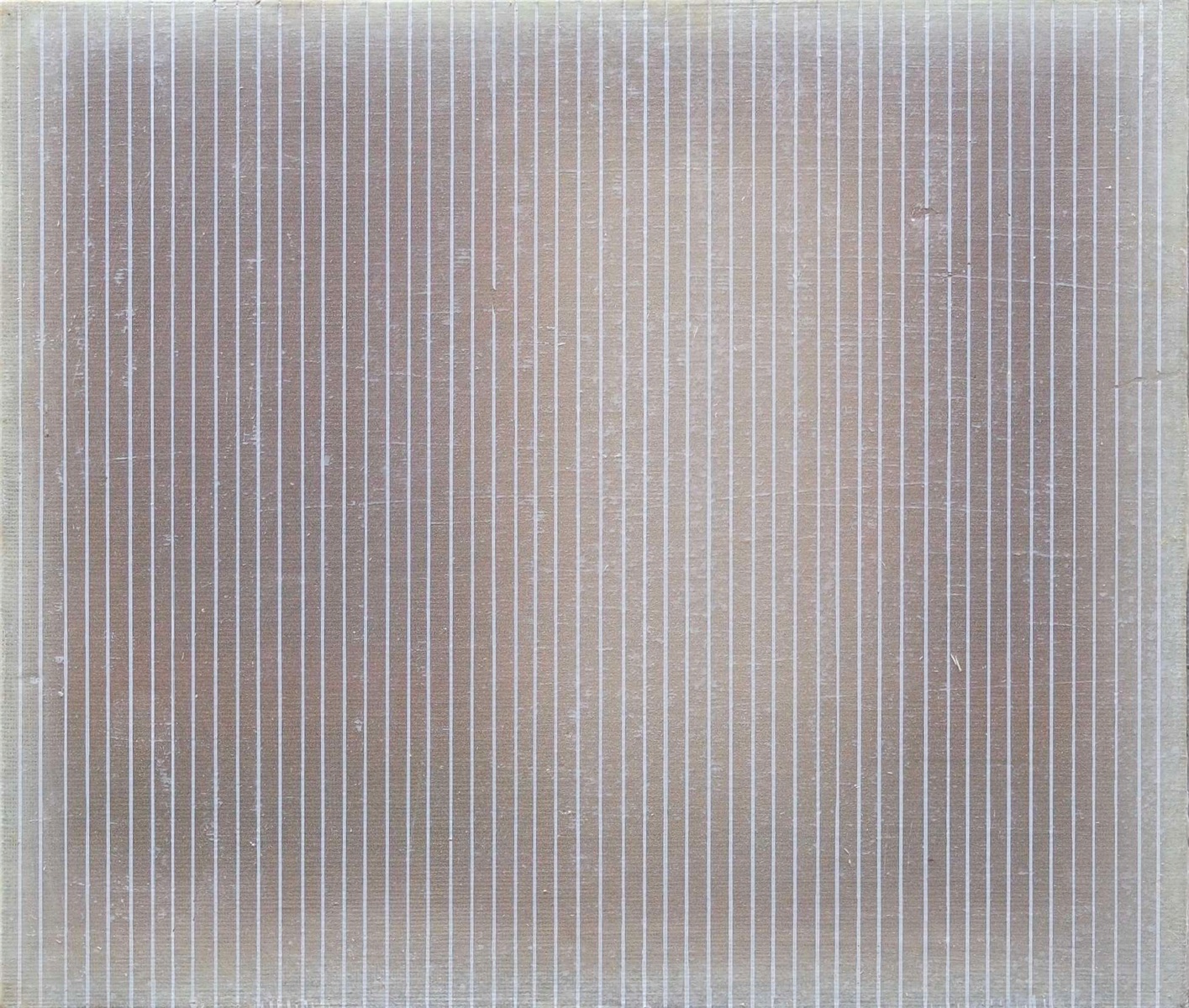
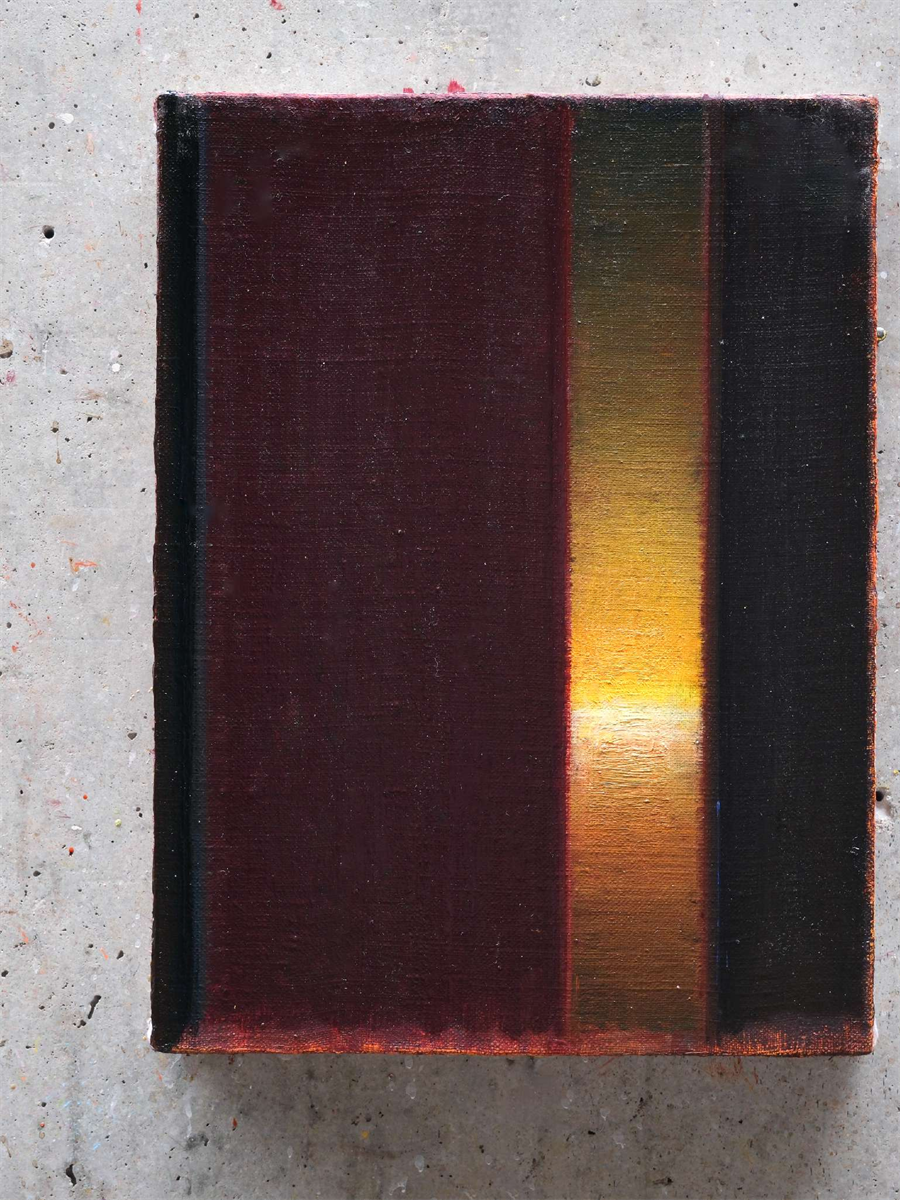
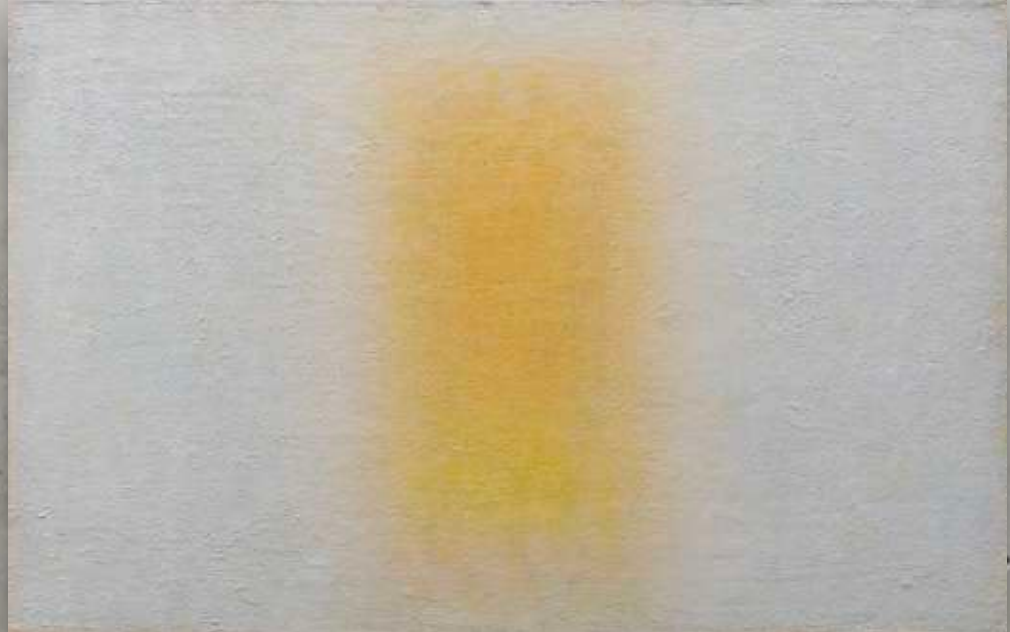
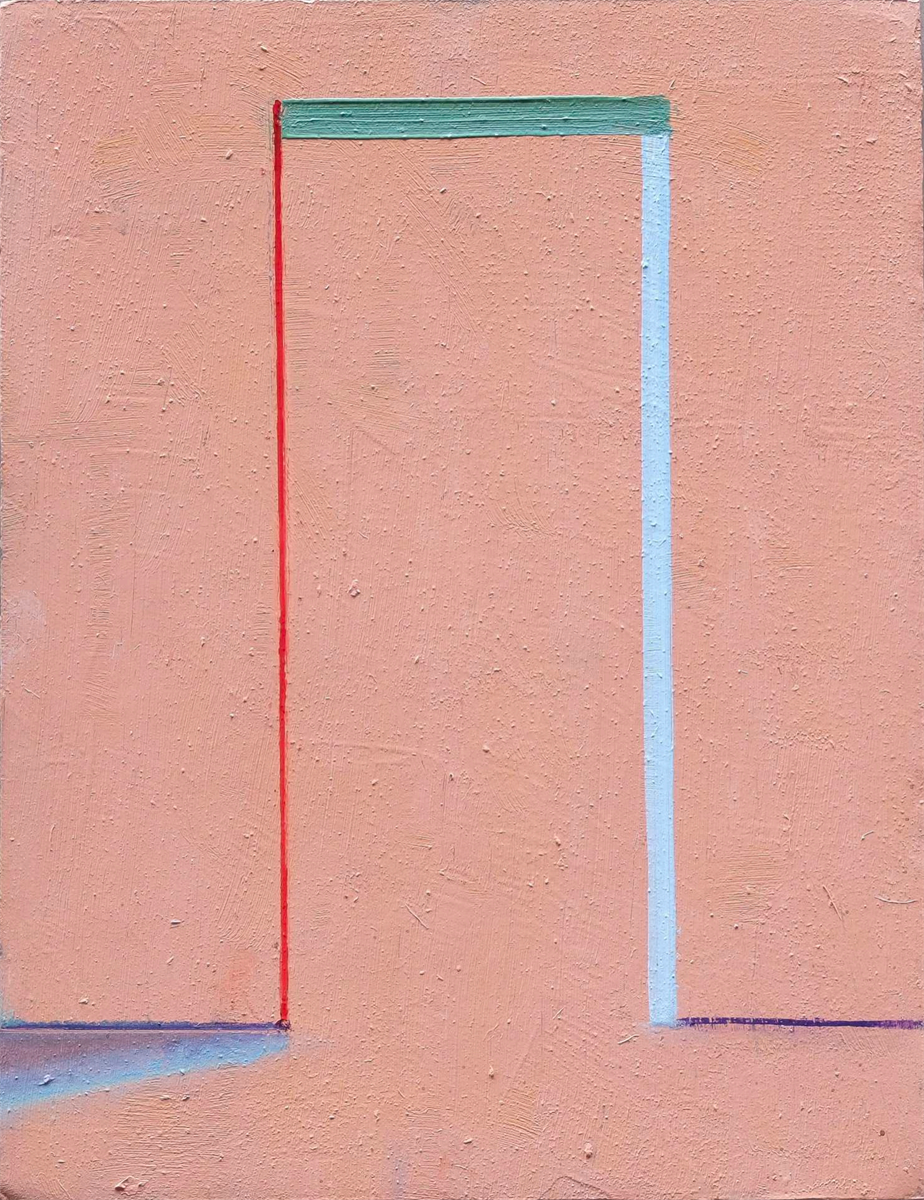
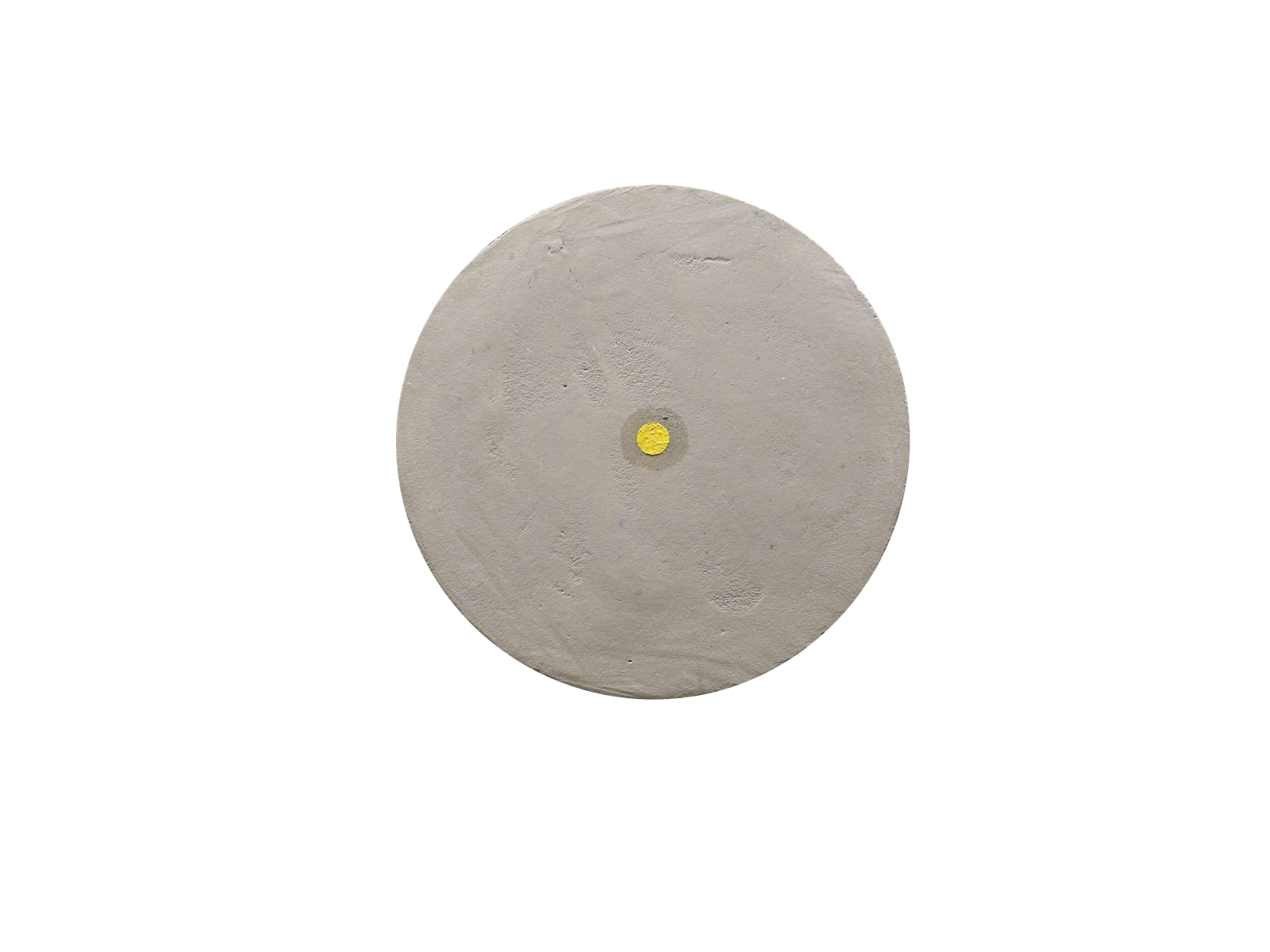
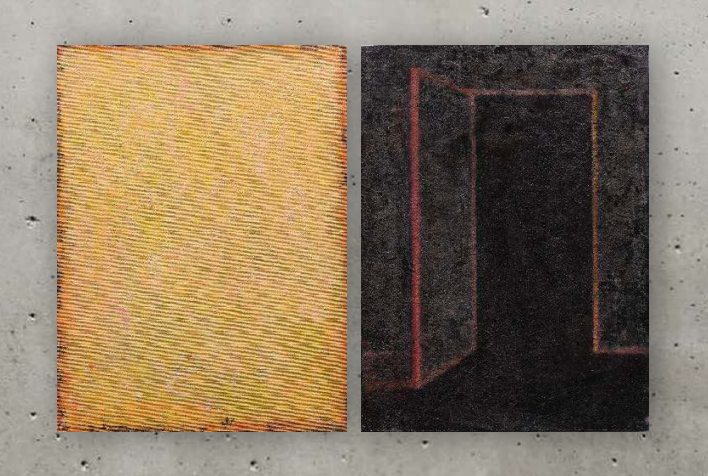
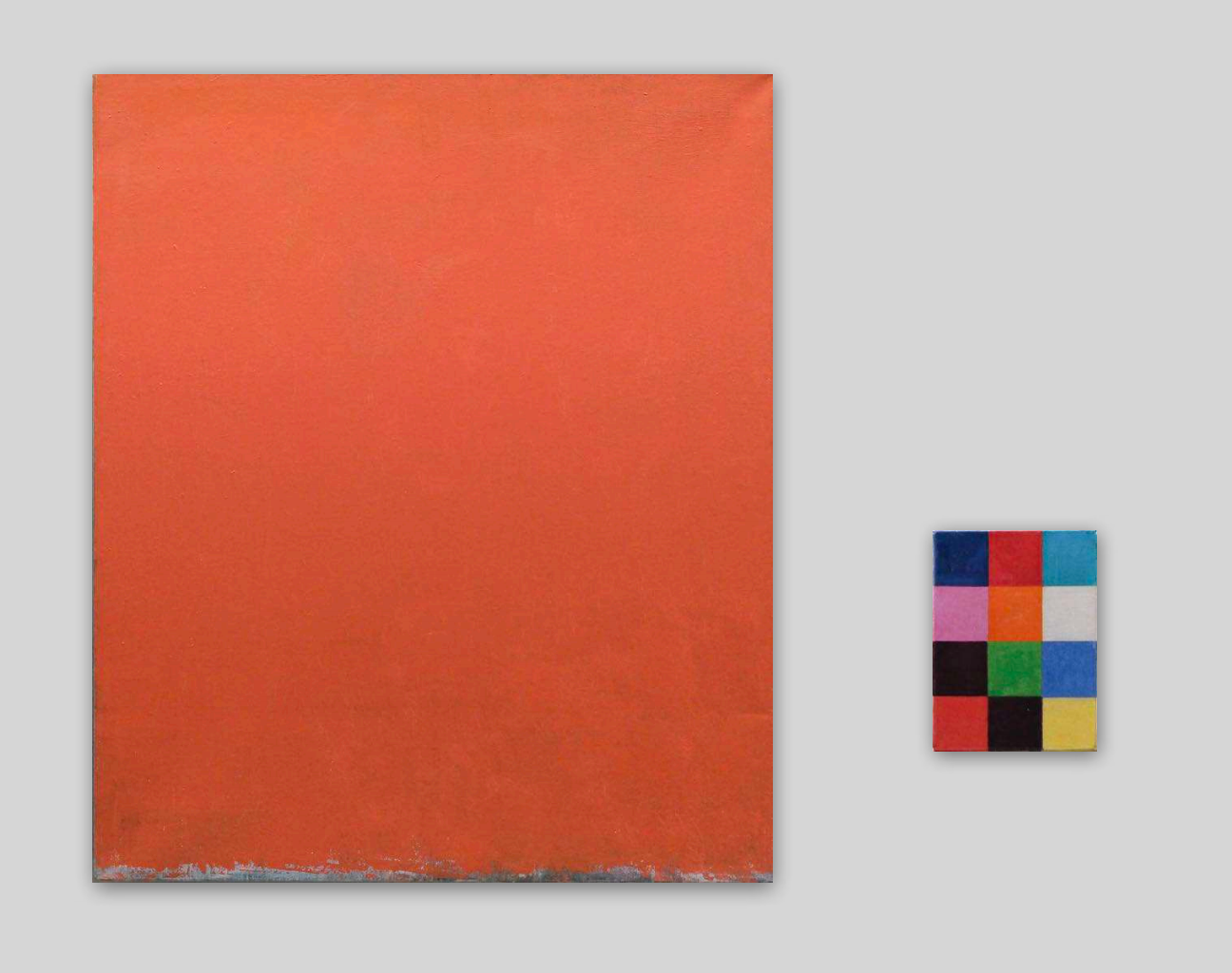
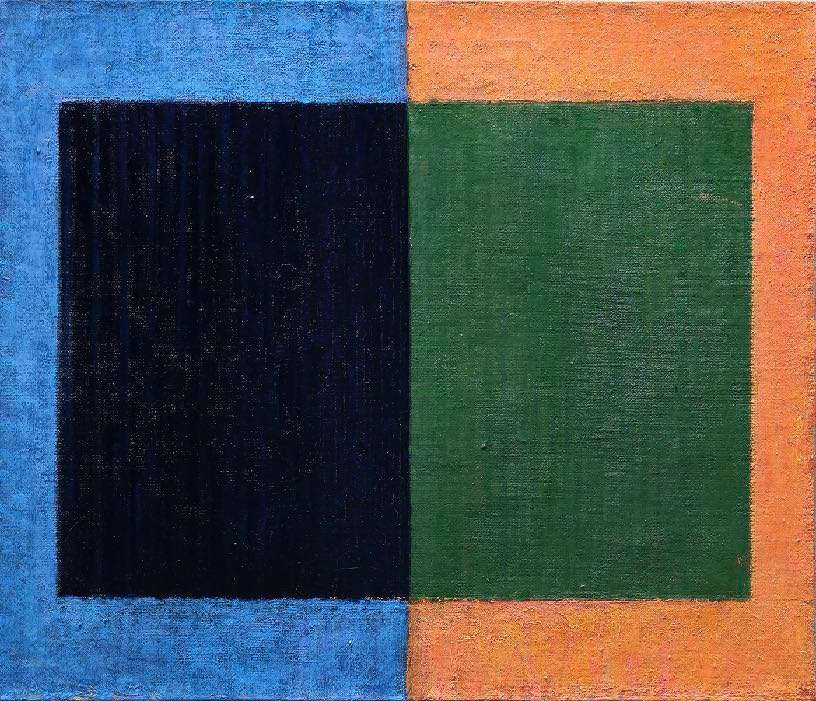
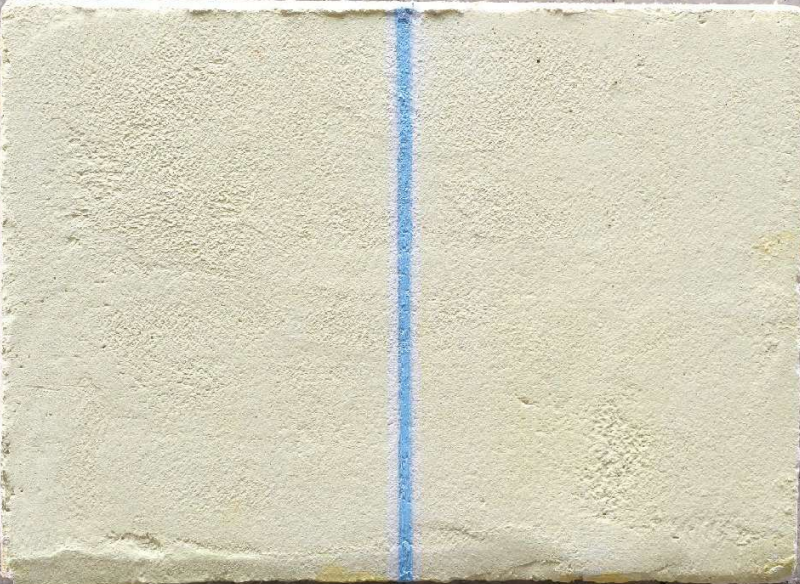
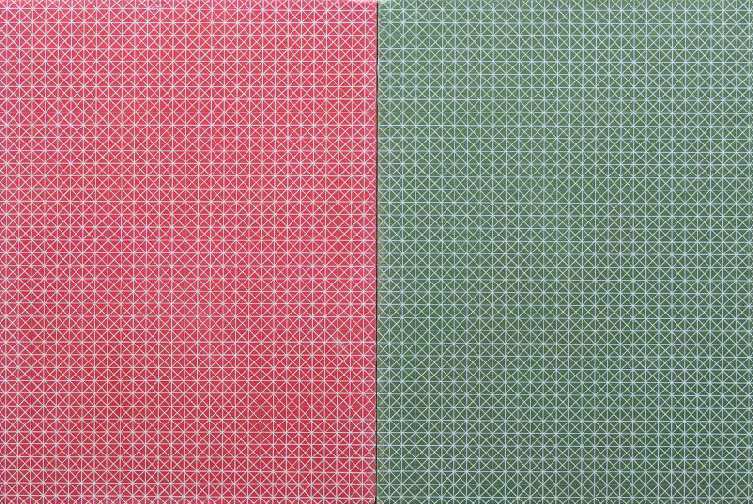
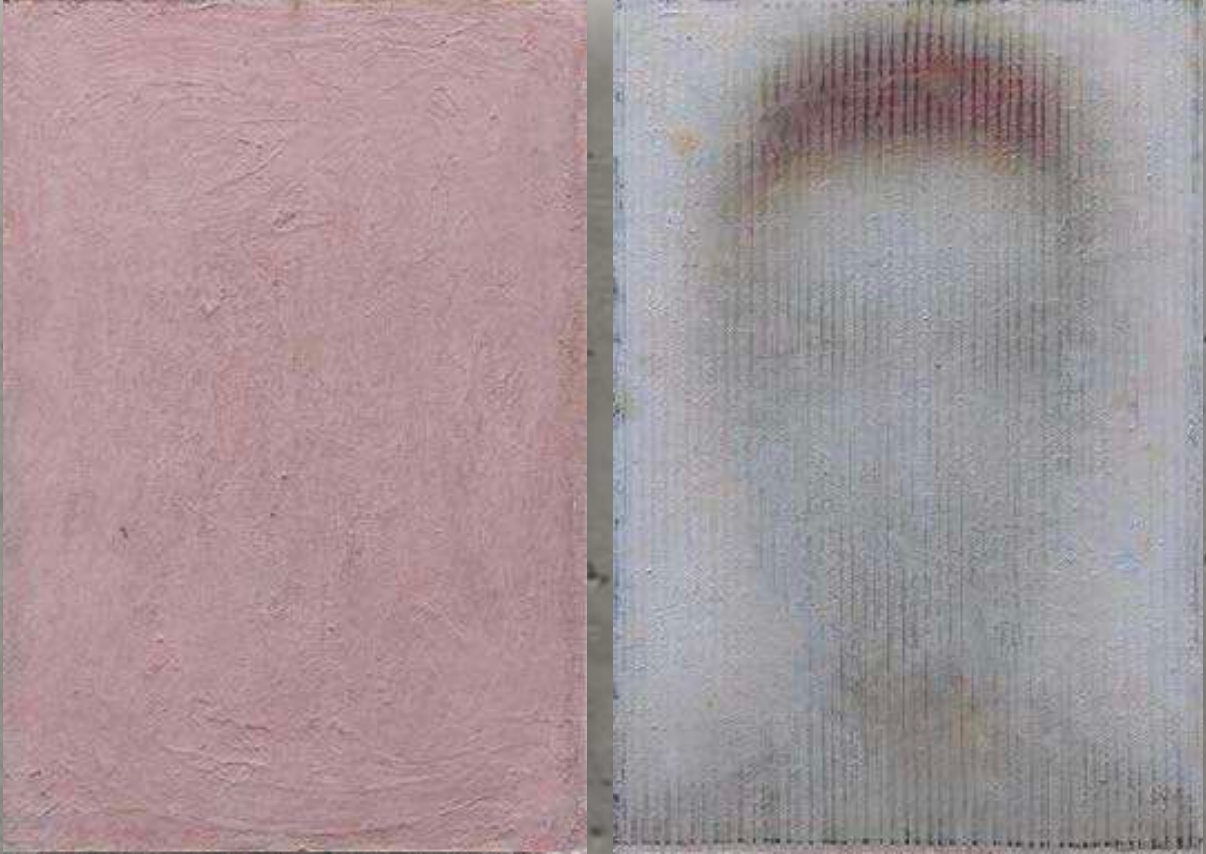
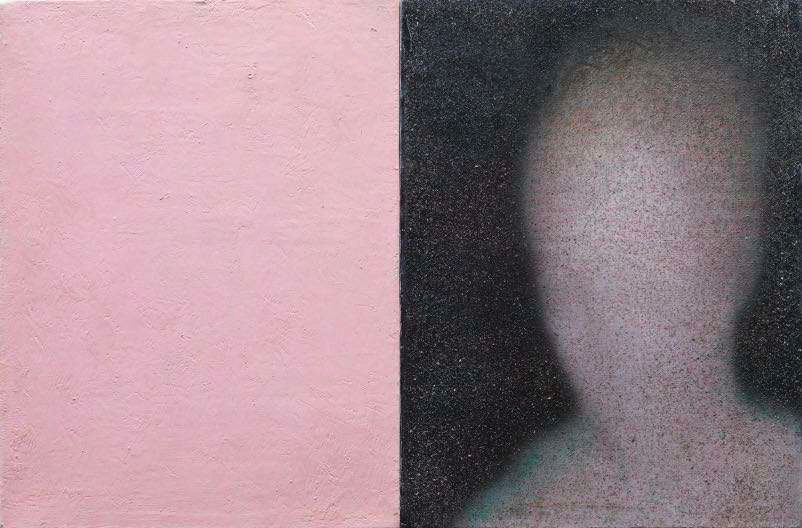
The first section centers on Bosisio’s latest “combination” and monochrome paintings, foregrounding the collision and convergence of color. Within a shared spatial field, the encounter between two entities often generates a third relation — a notion that also gives rise to the exhibition title, “Emergent Third.” By presenting paired paintings side by side against the cement-gray walls of his studio, Bosisio emphasizes a condition in which images simultaneously coexist and drift apart. Thesediptychsboth as mirrors of one another and as revelations of the dual structure embedded in a single image. Compared to his earlier works, these new paintings further diminish narrative content, distilling a subtly playful chromatic sensibility instead: pinks, along with highly saturated blues, oranges and greens. This approach can be traced back to Josef Albers’ proposition in Interaction of Color, where color is understood as perpetually in flux and continuously affected by adjacent hues. Such shifting chromatic relationships alter not only spatial depth, but also the viewer’s psychological perception.
This segment also traces the emergence of the monochrome series from the perspective of the studio itself. In certain respects, it recalls Aby Warburg’s Der Bilderatlas Mnemosyne and its investigation into relationships between images. Yet unlike Warburg’s more figurative and narrative-based visual system, Bosisio’s abstract fields of color and image juxtapositions approach a form of rhythmic visual orchestration. Through sustained study of classical painting, repeated acts of stepping back from the canvas, and the use of mirrors and other “third perspectives,” artist continually reassesses the work to distance himself from its original emotional impulse. For Bosisio, a painting succeeds only when it maintains a sense of neutrality from every point of view.
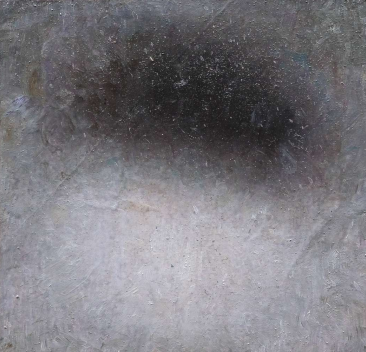
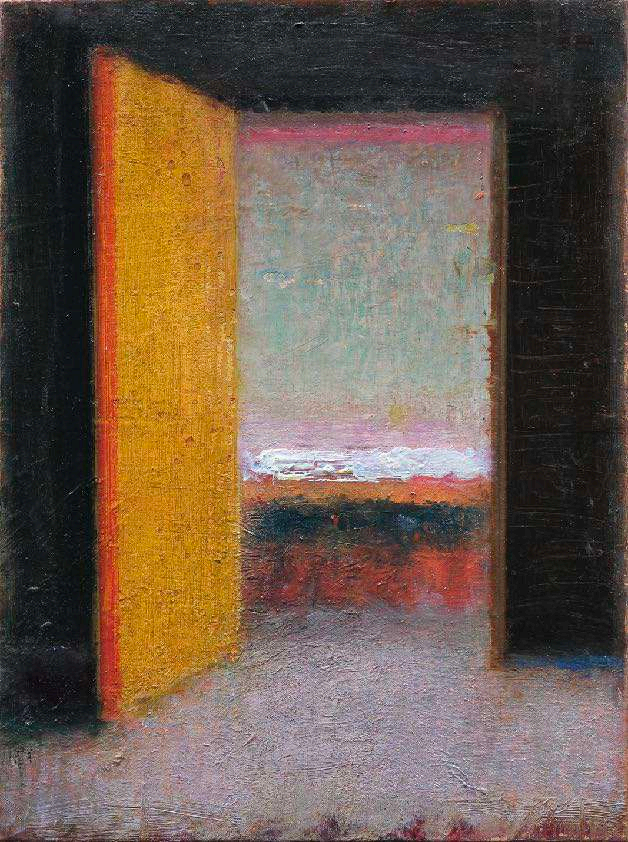
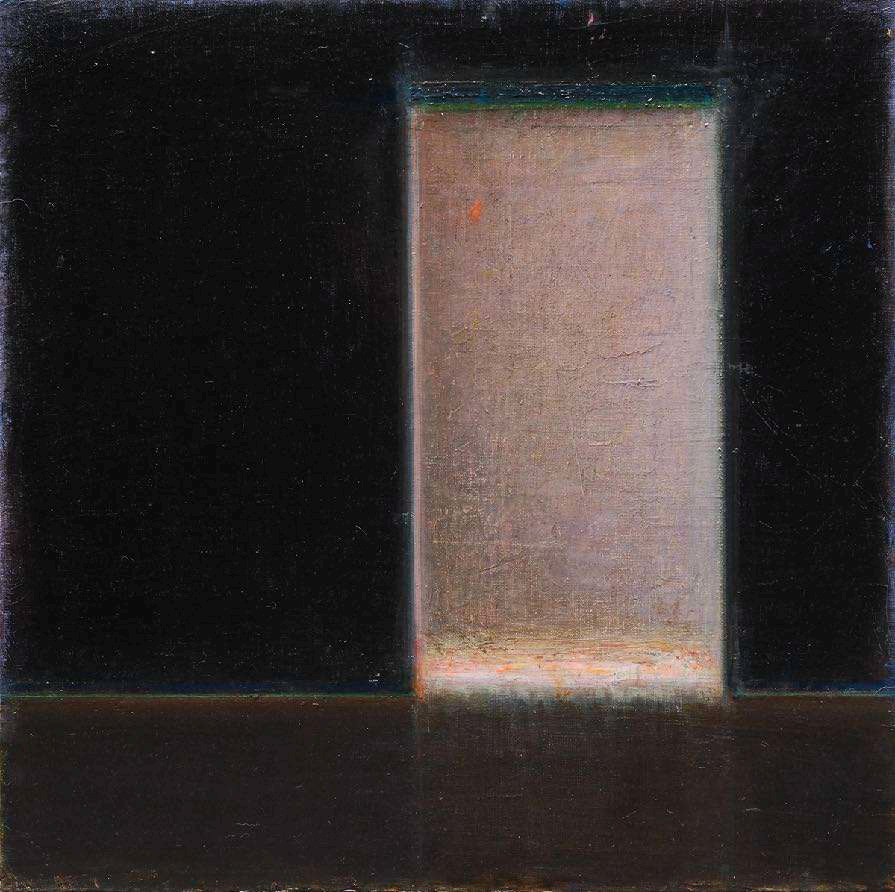
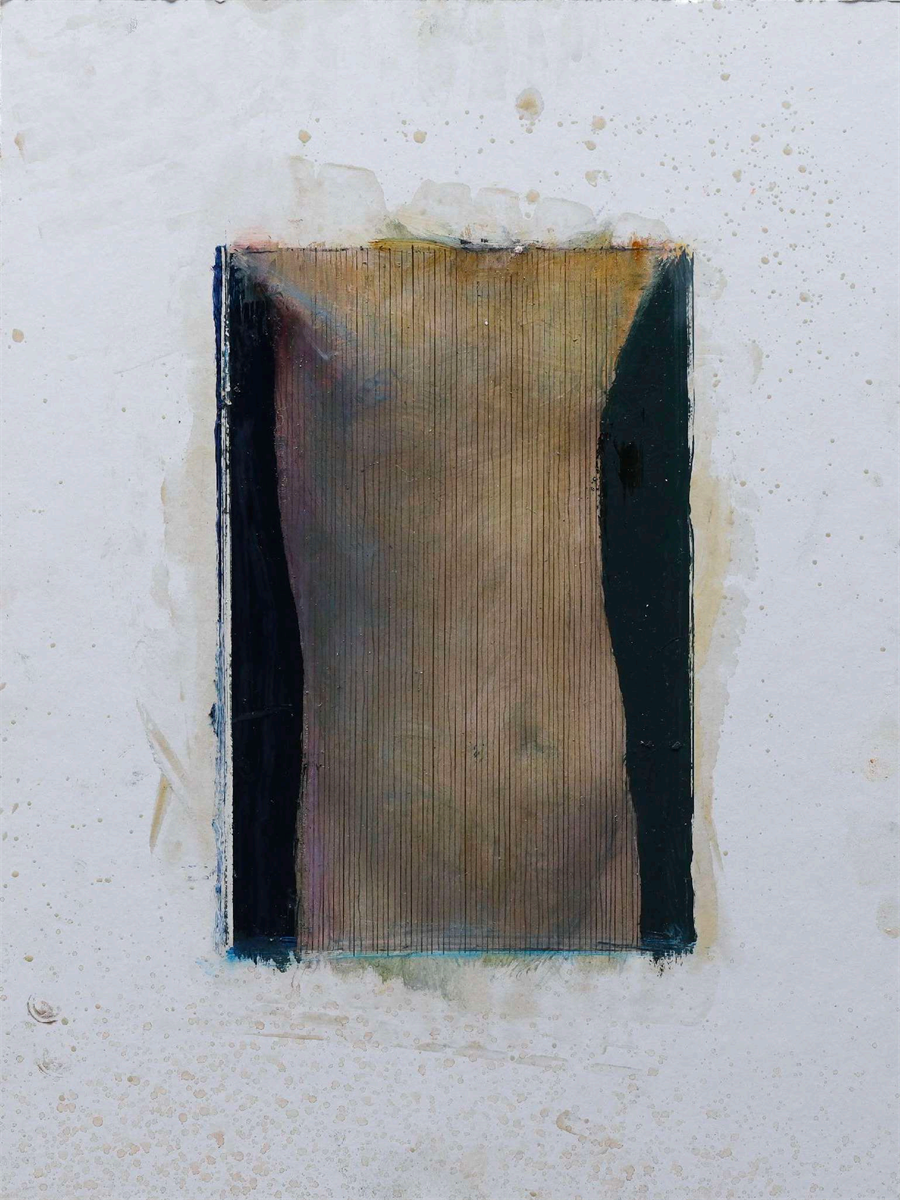
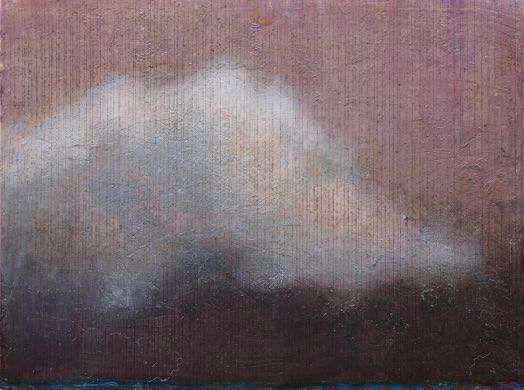
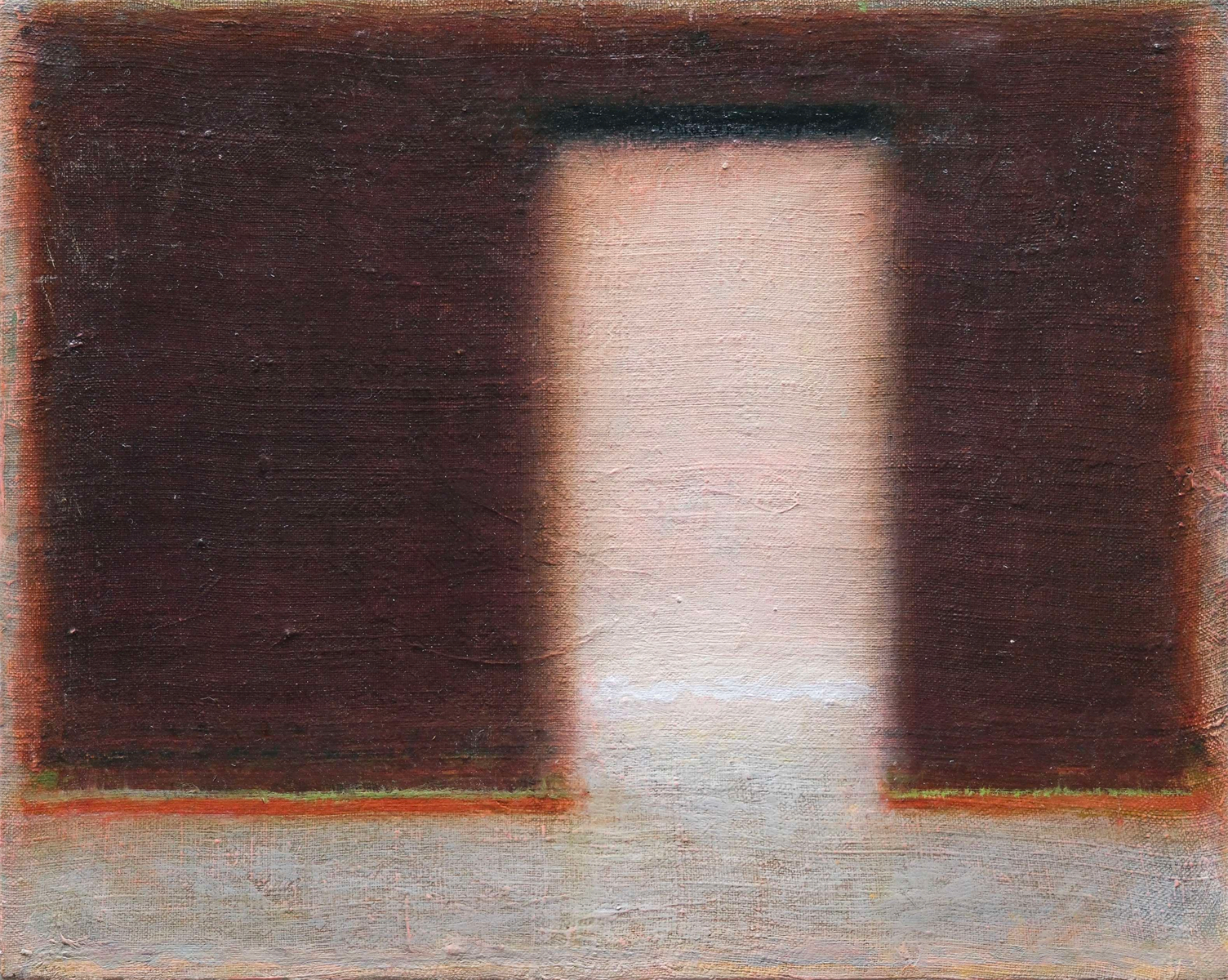
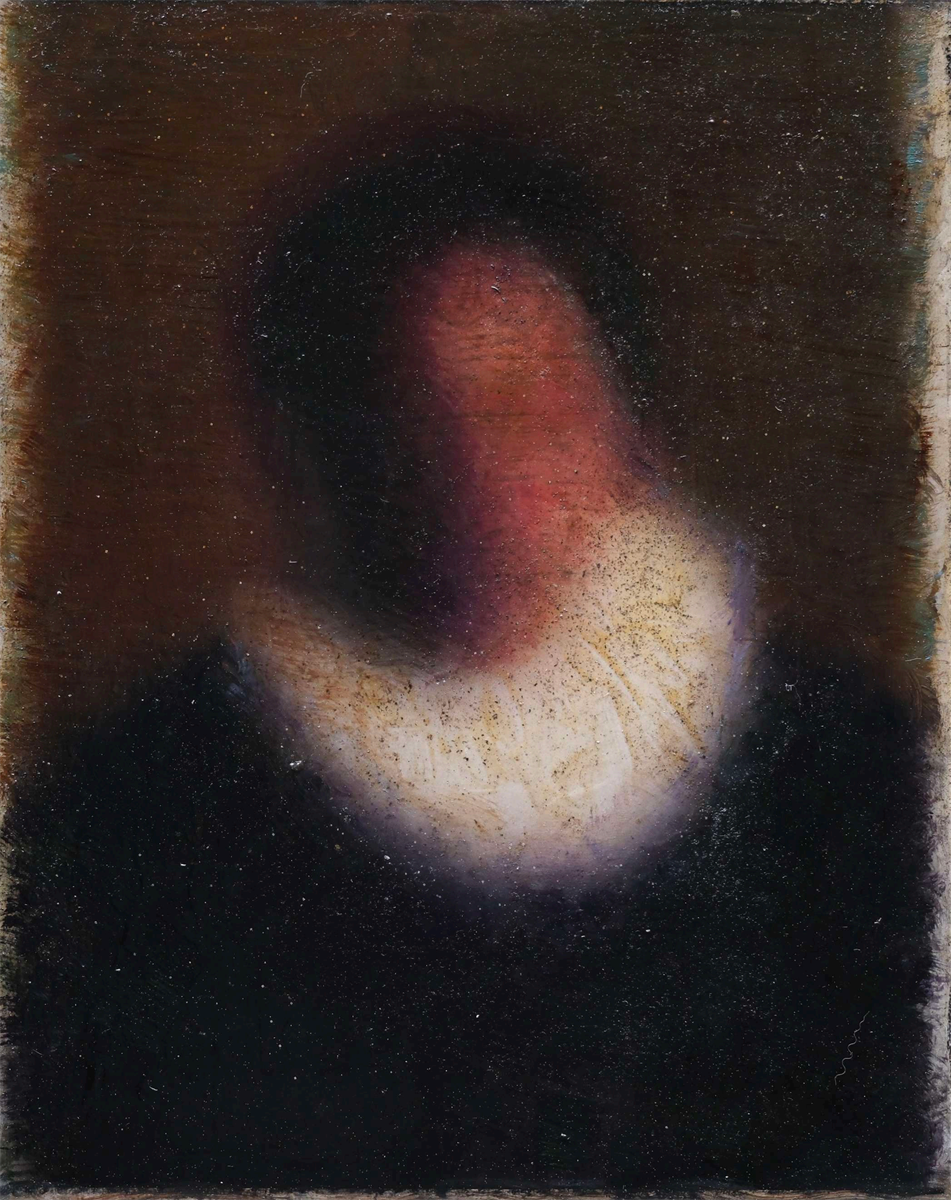
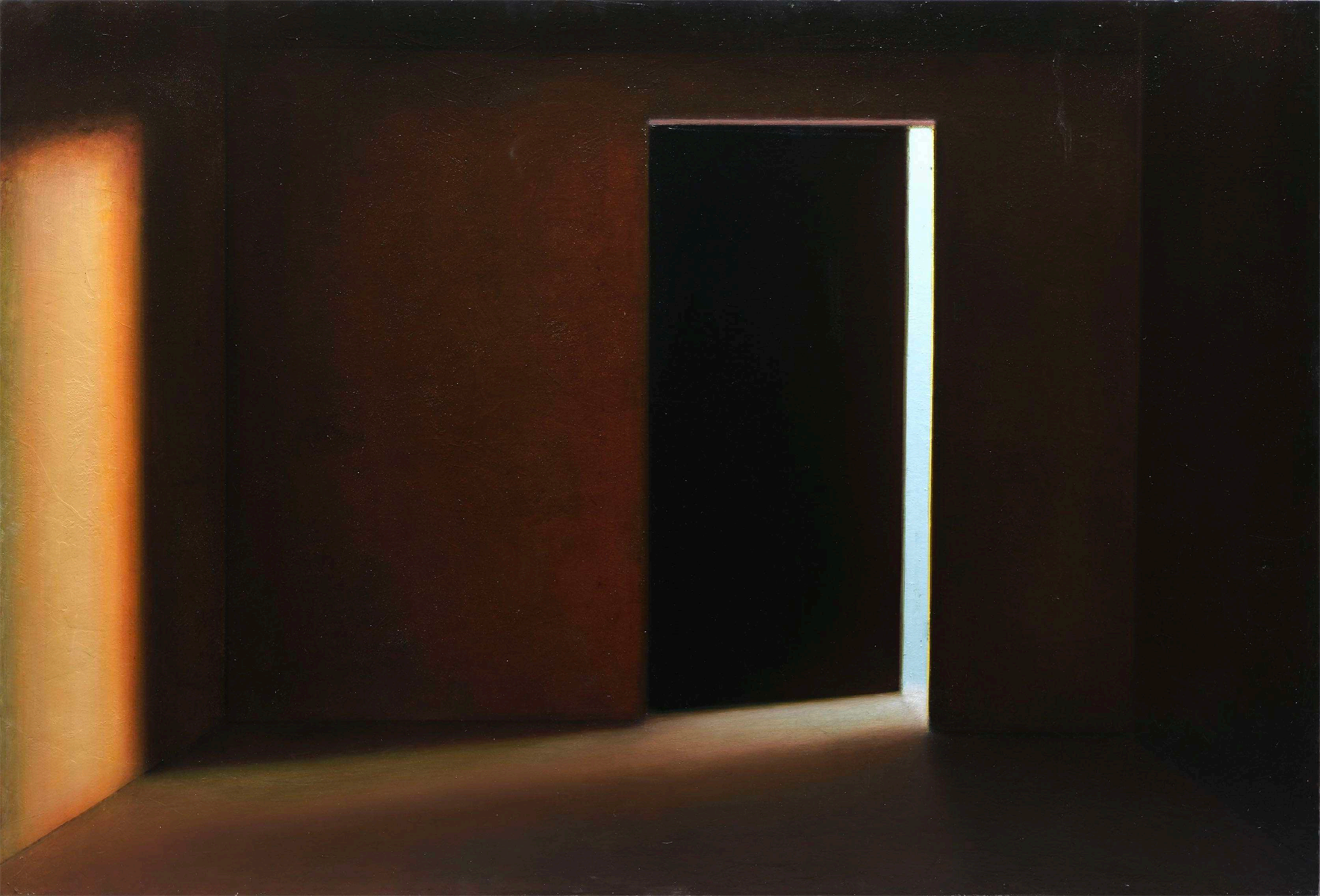
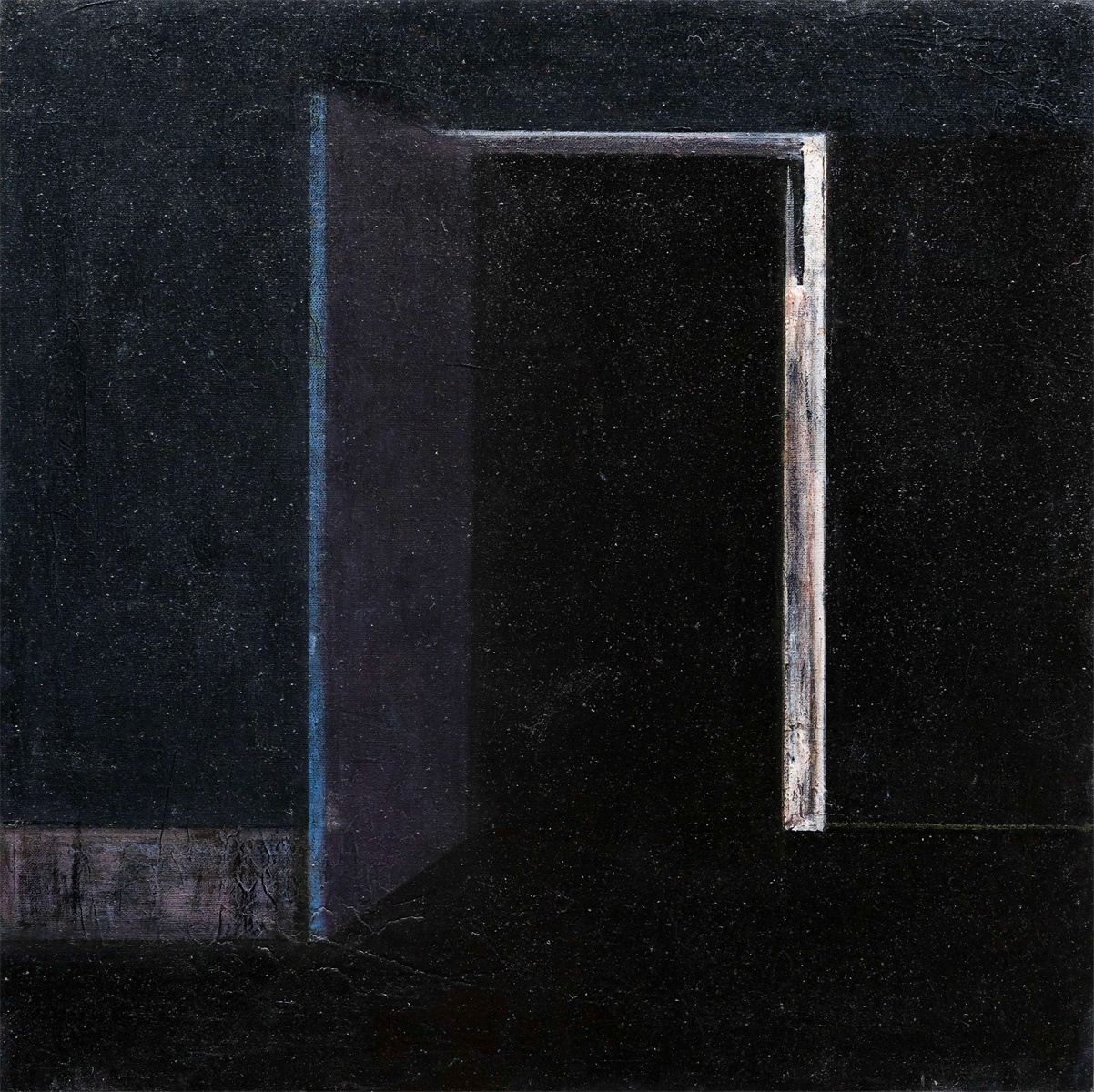
The second section interweaves Bosisio’s iconic “Interiors” and “Portraits” series, returning to his longstanding investigation into spatial structure and the order of light and shadow. Renaissance studies of color and chiaroscuro continue to resonate throughout his paintings — positive tones (light), negative tones (dark), and intermediary hues merge into one another, while doors, horizons, and bodily contours intersect with subdued, near-silent atmospheric tones and delicate traces of light. These elements generate visible lines of guidance that continually circulate the viewer’s gaze within the pictorial space. Meanwhile, Bosisio persistently experiments with material and surface, integrating oil paint, alkyd resin, wax, sand, fresco techniques, paper mounted on canvas, wood panels and linen. For him, the stability and precision of the underlying support often determine the subsequent luminosity and texture of the image.
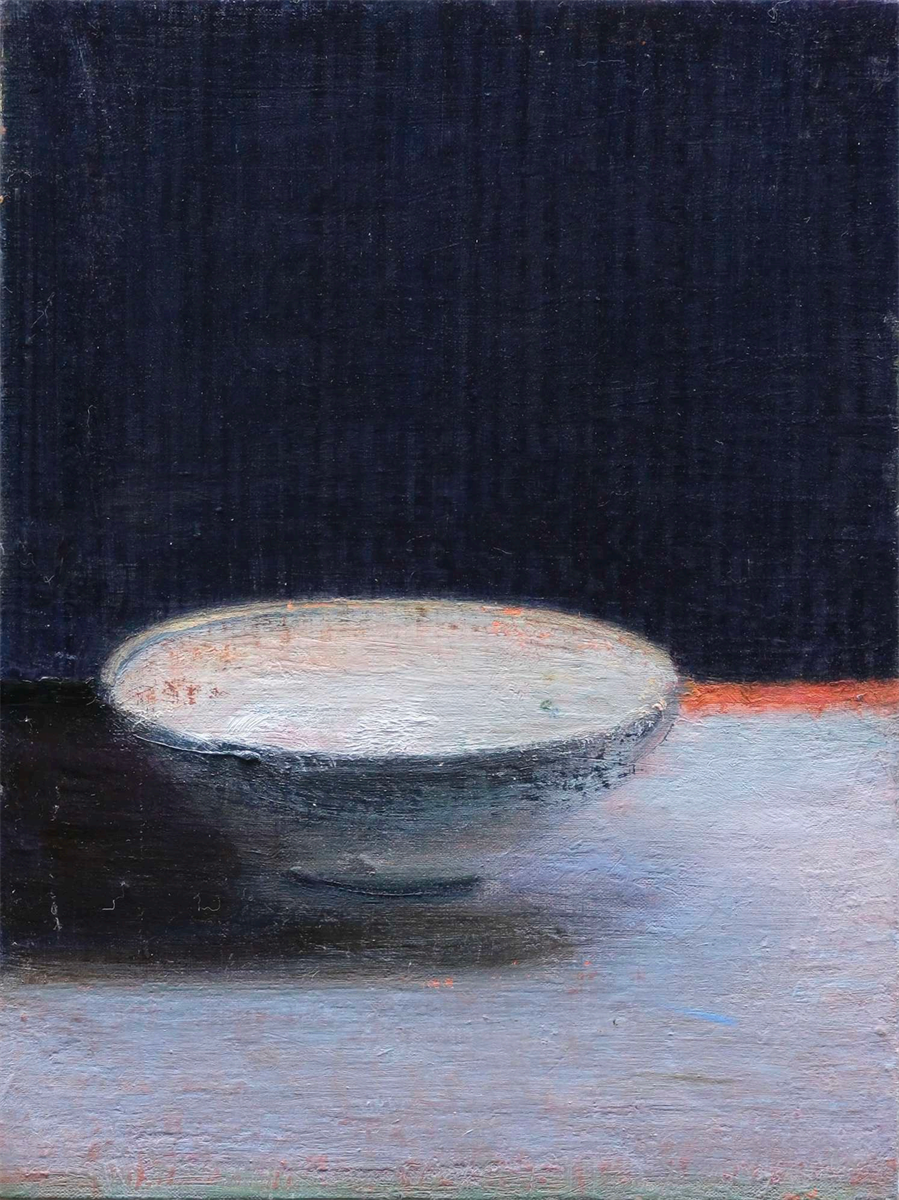
Likewise, Bosisio continuously negotiates between sharpness and dissolution, allowing image and tonality to remain in equilibrium. His works avoid excessive chromatic accumulation and endless perspectival depth, returning instead to simplicity, restraint and clarity. Viewed up close, his controlled yet liberated brushwork recalls Titian’s late “broken color” technique with itsunblendedintermediary tones; from a distance, these fragmented colors visually merge into the illusion of a singular image. Soft edges, blurred contours, and diffused halos of light linger across the canvas, endlessly receding in the boundaries of the frame.
The third section moves further toward stillness and slowness. Composed primarily of the classic “Interiors” works, the overall tonality gradually withdraws from the more vibrant chromatic experiments of the earlier sections into subdued saturation and softened light, as though slowly entering a meditative space. Confronted with monumental paintings large enough to envelop the body, the artist deliberately distances himself from emotion, while the viewer is compelled to confront the conditions of their own perception.
The exhibition ultimately focuses on a mode of seeing that continually emerges through relations of juxtaposition and displacement, reflection and mirroring. When color and image encounter each another, they remain both independent and mutually entangled, constantly generating new perceptual experiences. Without the need for language, these seemingly quiet images evoke echoes of sorrow, ecstasy, desolation, or unknown emotions through the interplay of light and color. The viewer’s gaze lingers within them until boundaries dissolve and time slows. Through prolonged contemplation, viewer and image become reflections of one another, and one rediscovers, through color and light, the subtle and silent connection between the self and the world — entering a state of inward contemplation and freedom.
“About the concept, I try to express emotions without an object or telling a story. When I combine two together, I think a new ‘third’comes out.”
——Robert Bosisio
The exhibition unfolds across three chapters, progressively expanding the artist’s reflections on pictorial structure.
The first section centers on Bosisio’s latest “combination” and monochrome paintings, foregrounding the collision and convergence of color. Within a shared spatial field, the encounter between two entities often generates a third relation — a notion that also gives rise to the exhibition title, “Emergent Third.” By presenting paired paintings side by side against the cement-gray walls of his studio, Bosisio emphasizes a condition in which images simultaneously coexist and drift apart. Thesediptychsboth as mirrors of one another and as revelations of the dual structure embedded in a single image. Compared to his earlier works, these new paintings further diminish narrative content, distilling a subtly playful chromatic sensibility instead: pinks, along with highly saturated blues, oranges and greens. This approach can be traced back to Josef Albers’ proposition in Interaction of Color, where color is understood as perpetually in flux and continuously affected by adjacent hues. Such shifting chromatic relationships alter not only spatial depth, but also the viewer’s psychological perception.
This segment also traces the emergence of the monochrome series from the perspective of the studio itself. In certain respects, it recalls Aby Warburg’s Der Bilderatlas Mnemosyne and its investigation into relationships between images. Yet unlike Warburg’s more figurative and narrative-based visual system, Bosisio’s abstract fields of color and image juxtapositions approach a form of rhythmic visual orchestration. Through sustained study of classical painting, repeated acts of stepping back from the canvas, and the use of mirrors and other “third perspectives,” artist continually reassesses the work to distance himself from its original emotional impulse. For Bosisio, a painting succeeds only when it maintains a sense of neutrality from every point of view.
The second section interweaves Bosisio’s iconic “Interiors” and “Portraits” series, returning to his longstanding investigation into spatial structure and the order of light and shadow. Renaissance studies of color and chiaroscuro continue to resonate throughout his paintings — positive tones (light), negative tones (dark), and intermediary hues merge into one another, while doors, horizons, and bodily contours intersect with subdued, near-silent atmospheric tones and delicate traces of light. These elements generate visible lines of guidance that continually circulate the viewer’s gaze within the pictorial space. Meanwhile, Bosisio persistently experiments with material and surface, integrating oil paint, alkyd resin, wax, sand, fresco techniques, paper mounted on canvas, wood panels and linen. For him, the stability and precision of the underlying support often determine the subsequent luminosity and texture of the image.
Likewise, Bosisio continuously negotiates between sharpness and dissolution, allowing image and tonality to remain in equilibrium. His works avoid excessive chromatic accumulation and endless perspectival depth, returning instead to simplicity, restraint and clarity. Viewed up close, his controlled yet liberated brushwork recalls Titian’s late “broken color” technique with itsunblendedintermediary tones; from a distance, these fragmented colors visually merge into the illusion of a singular image. Soft edges, blurred contours, and diffused halos of light linger across the canvas, endlessly receding in the boundaries of the frame.
The third section moves further toward stillness and slowness. Composed primarily of the classic “Interiors” works, the overall tonality gradually withdraws from the more vibrant chromatic experiments of the earlier sections into subdued saturation and softened light, as though slowly entering a meditative space. Confronted with monumental paintings large enough to envelop the body, the artist deliberately distances himself from emotion, while the viewer is compelled to confront the conditions of their own perception.
The exhibition ultimately focuses on a mode of seeing that continually emerges through relations of juxtaposition and displacement, reflection and mirroring. When color and image encounter each another, they remain both independent and mutually entangled, constantly generating new perceptual experiences. Without the need for language, these seemingly quiet images evoke echoes of sorrow, ecstasy, desolation, or unknown emotions through the interplay of light and color. The viewer’s gaze lingers within them until boundaries dissolve and time slows. Through prolonged contemplation, viewer and image become reflections of one another, and one rediscovers, through color and light, the subtle and silent connection between the self and the world — entering a state of inward contemplation and freedom.